


 English
  Deutsch
  Español
  Français
There’s something uniquely satisfying about tracking progress — whether it’s the weight you lift, the distance you run, or the shape and size of your body changing with effort and time. For men, measuring progress can be deeply personal, especially when it involves physical traits tied to self-image or performance. Yet many give up too soon, not because they fail to improve, but because they fail to measure improvement accurately.
Measurement is where science meets self-awareness. It’s the quiet, disciplined ritual that separates genuine progress from illusion. The man who knows how to measure is the man who knows how far he’s come — and how far he can still go.
Quick-Start: Accurate Measurement
You’ll Need
- Soft tape (non-stretch) & rigid ruler
- Phone + tripod at waist height
- Neutral wall & steady lighting
- Simple log (sheet or app)
Do
- Measure in the morning, post-void
- Use the same tools & angles
- Record exact numbers (no rounding)
- Compare monthly photo sets
Don’t
- Switch tapes or scales mid-journey
- Measure post-workout “pump”
- Change camera height or distance
- Chase daily fluctuations
Why Accuracy Matters More Than Motivation
Motivation is unreliable. One day it’s burning; the next it’s gone. Accuracy, on the other hand, is discipline in numbers. When your data is consistent, your confidence becomes unshakable. You no longer “feel” like you’re improving — you know you are.
Too often, men rely on emotion to gauge progress: I feel stronger. I think I look bigger. I guess I’ve improved. These subjective signals fluctuate daily with hydration, lighting, mood, and even posture. Real progress — whether it’s in fitness, health, or body tracking — only becomes visible when measured in a repeatable, standardized way.
Consistency builds trust in your results. And that trust is what keeps you moving forward long after motivation fades.
The Three Pillars of Accurate Measurement
To measure anything about your body — size, strength, composition, or symmetry — three pillars must align: tools, angles, and timing. Get one wrong, and your progress data becomes noise.
1. The Right Tools: Simple, Reliable, and Repeatable
You don’t need a lab. You need consistency.
Below are the essential tools for tracking male physical changes with accuracy and reliability:
a. Measuring Tape (Flexible, Non-Stretch)
Ideal for tracking circumference measurements — arms, waist, thighs, or even more intimate measurements related to genital size research or enhancement training. A cloth or soft plastic tape works best; avoid metal retractable types that can warp over time.
Pro tip: Mark one side with a permanent line at zero to avoid variable tension each time.
b. Calipers or Body Fat Scanners
For fitness-related tracking, skinfold calipers or digital impedance scales help track fat-to-muscle ratios. While not perfect, they provide consistent internal benchmarks when used under the same conditions (hydration, time of day, temperature).
c. Camera and Reference Setup
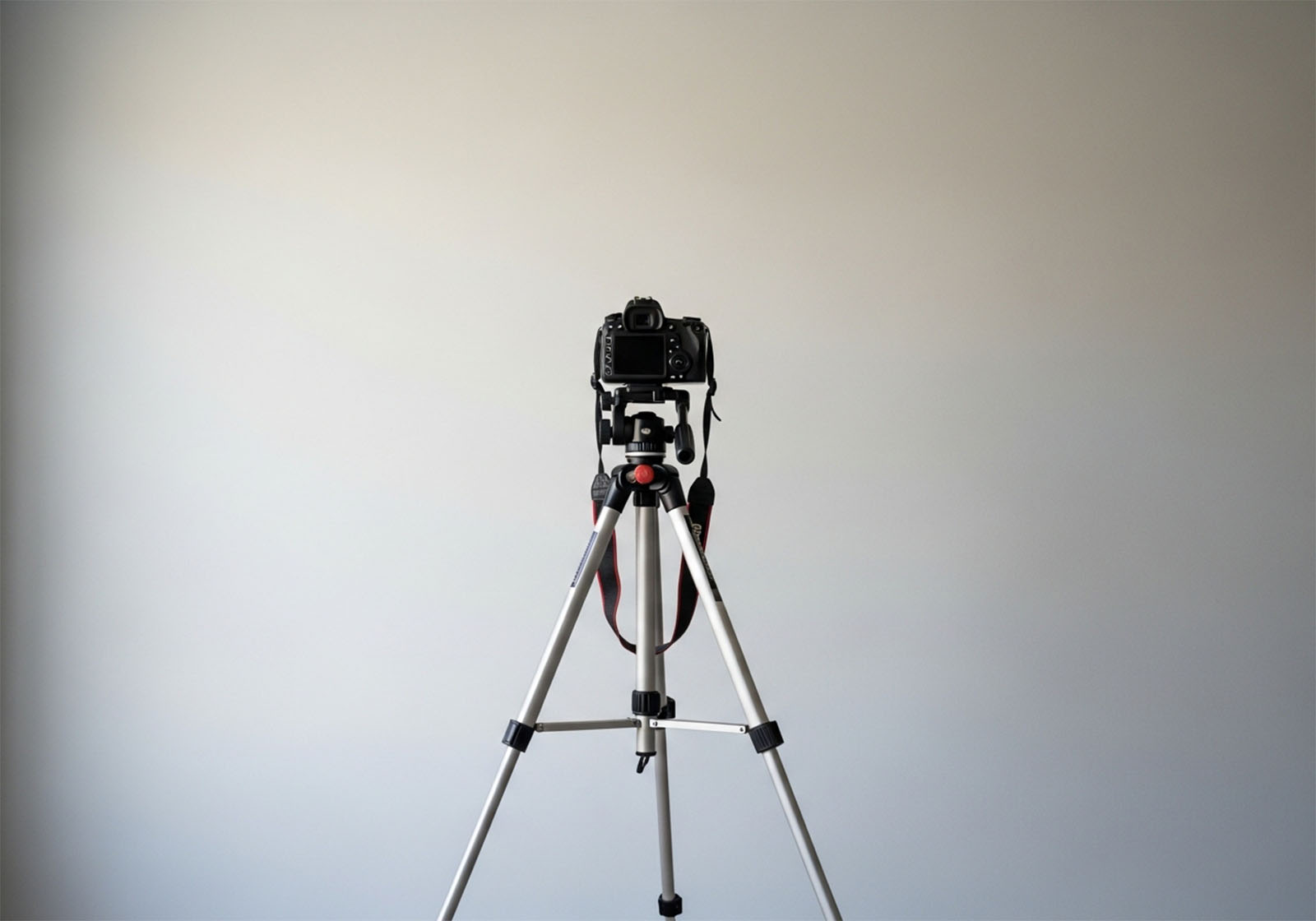
A neutral camera angle is your visual truth. Use a smartphone tripod and the same distance, lighting, and backdrop for monthly photos. Avoid flexing or adjusting posture; natural stance offers the truest visual data.
d. Ruler or Measuring Aid for Specific Tracking
For men monitoring penile growth or rehabilitation (after injury or training), a rigid ruler or measuring device designed for that purpose should be used consistently — same temperature, position, and erection level each time.
2. The Angles: Geometry of Progress
The angle of measurement can dramatically change what you see and record. The rule is simple: if the angle changes, the result changes.
a. Horizontal vs Vertical
If you’re measuring length, the ruler must be aligned along the central axis — not tilted upward or downward. Even a 10° deviation can add or subtract visible millimeters.
b. Standing vs Seated
Body posture affects blood flow, tension, and body alignment. Always measure in the same position — ideally standing upright, feet flat, shoulders relaxed.
c. Front vs Side View for Photos
Front-view photos show symmetry; side views show proportion. Both matter for evaluating aesthetic or anatomical progress.
d. Camera Placement
Mount the camera at waist height, perpendicular to your body. Angling upward or downward creates distortion — making you appear larger or smaller than reality. That distortion kills progress tracking accuracy.
3. Timing and Consistency: The 24-Hour Rule
The body changes throughout the day — from water retention to temperature, from muscle pump to fatigue. That’s why timing your measurements is critical.
The best window: within one hour of waking, before eating or drinking, after using the bathroom, and under consistent room temperature.
This early-morning baseline ensures minimal fluctuation and maximum repeatability. If you’re tracking something affected by arousal or temperature, measure under similar conditions — same environment, similar arousal state, and no recent workouts.
Infographic: The Three Pillars
1) Tools
- Soft tape + rigid ruler
- Tripod at waist height
- Neutral wall & steady light
2) Angles
- Axis-aligned ruler (no tilt)
- Standing, relaxed posture
- Camera perpendicular
3) Timing
- Morning baseline
- Post-void, pre-meal
- Same room temperature
Building a Routine of Measurement
Measurement is not about obsession. It’s about discipline. Once a week is often enough; more frequent tracking may lead to frustration over natural day-to-day variance.
Here’s a simple, science-based framework:
Routine & Tools for Reliable Tracking
| Parameter | Frequency | Condition | Tool | Goal |
|---|---|---|---|---|
| Weight | Weekly | Morning, post-void | Digital scale | Trend line only |
| Body Fat % | Biweekly | Same hydration | Caliper or BIA scale | Composition check |
| Girth/Length | Biweekly | Same environment | Tape or ruler | Local change |
| Photos | Monthly | Same pose & light | Tripod/phone | Visual proof |
| Strength | Weekly | Same exercise | Gym log | Functional gains |
(Tip: Log all results in a single spreadsheet or a dedicated progress-tracking app to visualize improvements.)
Eliminating Bias: The Mind Plays Tricks
Even with tools, men often sabotage accuracy through unconscious bias — tilting slightly forward, pulling the tape tighter, or standing differently for “better” results. This bias is subtle but consistent, and it can derail months of honest tracking.
Solution:
Record your measurements or photos without evaluating immediately. Take them, log them, and compare later under objective conditions. The distance between you and your data is the distance between vanity and truth.
Using Angles and Light to Your Advantage — When Appropriate
There’s nothing wrong with documenting flattering progress photos. Lighting and pose can emphasize muscle tone or shape. But for internal tracking, keep a neutral set of “truth photos” under the same lighting, paired with one “motivational photo” where you can flex or adjust the scene to see how far you’ve come aesthetically.
It’s a mental trick that keeps motivation alive while preserving scientific consistency.
Tracking Beyond the Mirror: Internal Metrics
Men often forget that progress isn’t only visible. Hormonal balance, recovery rate, libido, and sleep quality are also measurable.
Here are deeper indicators of real improvement:
-
Morning energy and drive: an indicator of hormonal vitality.
-
Quality of sleep: more REM and deep sleep correlates with physical repair.
-
Mood stability: reduced irritability and better focus signal neurochemical balance.
-
Sexual responsiveness: a direct physiological reflection of circulation and nerve sensitivity.
Tracking these alongside physical measurements gives a more complete picture of progress. Improvement is holistic — physical, mental, and functional.
“If your data looks like a heartbeat, you’re alive. The goal isn’t to flatten the line—it's to guide the trend.”
— Jonas Keller, Health & Performance Editor
Mistakes That Sabotage Measurement Accuracy
Even the most disciplined men make errors that distort progress. The most common include:
-
Inconsistent lighting: Shadows can fake definition or hide progress.
-
Changing tools: Switching tapes or scales mid-way breaks data continuity.
-
Measuring post-workout: Pumped muscles or tissues inflate temporarily.
-
Poor posture: Slouching or flexing differently skews the visual baseline.
-
Rounding results: A single millimeter or half-inch matters over time. Record exact figures.
Rule: Control every variable you can — and accept the ones you can’t.
Psychology of Measurement: Avoiding the Obsession Trap
Progress tracking should serve motivation, not anxiety. When men become fixated on small fluctuations, they lose sight of the long-term pattern. The goal is to observe trends, not chase perfection.
Jonas Keller often tells his coaching clients:
“If your data looks like a heartbeat, you’re alive. If it’s flat, you’re not improving — or you’re not measuring enough.”
Don’t fear small fluctuations; they prove your body is responsive. Focus on moving averages over weeks, not days.
Technology That Helps
Modern tools can automate measurement without emotion. Consider these options:
-
Smart scales: Track body fat, muscle mass, and water retention automatically.
-
Progress-tracking apps: MyFitnessPal, Fitbod, or custom Excel templates allow data visualization.
-
Body scanners: 3D scanning services at gyms or clinics can capture posture, balance, and symmetry.
-
AI-based analysis tools: Some apps use machine learning to detect subtle visual progress over time — a future frontier for home-based tracking.
The key is not the tool, but using it the same way every time.
Did You Know?
Consistent camera height matters more than megapixels. A fixed tripod at waist level removes distortion that can add or subtract visible millimeters in photos.
Setting Meaningful Milestones
Don’t measure just for the sake of numbers. Set specific goals attached to performance or satisfaction, not arbitrary ideals.
Examples:
-
Increase arm circumference by 2 cm in 3 months.
-
Reduce waist by 4 cm while maintaining strength.
-
Improve average sleep duration by 30 minutes nightly.
-
Maintain consistent weekly erection quality or morning wood frequency as a health indicator.
By setting measurable, realistic goals, you transform data into direction.
Recording Progress: Ritual and Motivation
Treat measurement as a ritual — calm, focused, deliberate. The same way you might shave, clean your workspace, or set your watch, measuring becomes a form of order. It’s the quiet assertion that you’re steering your own progress.
Keep your logs private but professional. Create a dedicated digital folder labeled “Progress Archives”, with subfolders for Measurements, Photos, and Notes.
Add a reflective journal line each month — not about the numbers, but about what they mean.
For example:
“Gained half an inch in girth. Confidence rising. Routine feels automatic now. Less comparison, more focus.”
Those entries become more valuable than any statistic — they track the man behind the measurements.
Truth, Confidence, and the Data-Driven Man
In an age of filters, performance culture, and endless comparison, the man who measures honestly stands apart. He’s not guessing, exaggerating, or competing; he’s tracking truth.
Progress is not about perfection — it’s about clarity. Every number, every photo, every data point tells a story of discipline. Whether you’re tracking fitness, health, or male physical development, the formula is universal: same tools, same angles, same timing, honest data.
The man who knows his numbers never loses himself in illusion — he gains confidence grounded in proof.
Q & A
In Brief
- Same tools, same angles, same timing—every time.
- Measure weekly or biweekly; compare month to month.
- Use a neutral photo setup and keep “truth” photos separate from motivational shots.
- Track internal metrics too: sleep, focus, morning energy.
- Think trends, not single numbers.
Final Takeaway
Measure less often. Measure better.
A tape, a camera, and a bit of patience are all you need to turn self-improvement from guesswork into craftsmanship. Because in the end, progress is not a miracle — it’s a method.
Disclaimer: The articles and information provided by Genital Size are for informational and educational purposes only. This content is not intended to be a substitute for professional medical advice, diagnosis, or treatment. Always seek the advice of your physician or another qualified health provider with any questions you may have regarding a medical condition.