

 English
  Deutsch
  Español
  Français
Exploring the primal symbols of desire, power, and restraint that still haunt men today
The Shadow That Stirs
When night falls and old stories are told, men have always found themselves mirrored in the monsters that prowl the darkness. The werewolf, the vampire, the satyr — these figures linger in myth not just as creatures of fear, but as reflections of male tension: between desire and discipline, instinct and morality, virility and restraint.
Every age crafts its own monsters, yet their purpose remains unchanged — to express what cannot be said outright. For men, these figures often speak to the parts of masculinity that remain both revered and repressed: raw sexual energy, aggression, hunger for control, and the uneasy awareness of how thin the line is between mastery and madness.
Early werewolf stories appear in ancient Greece and often connected transformation to social shame or punishment, not just the supernatural.
The Werewolf: Desire Unleashed
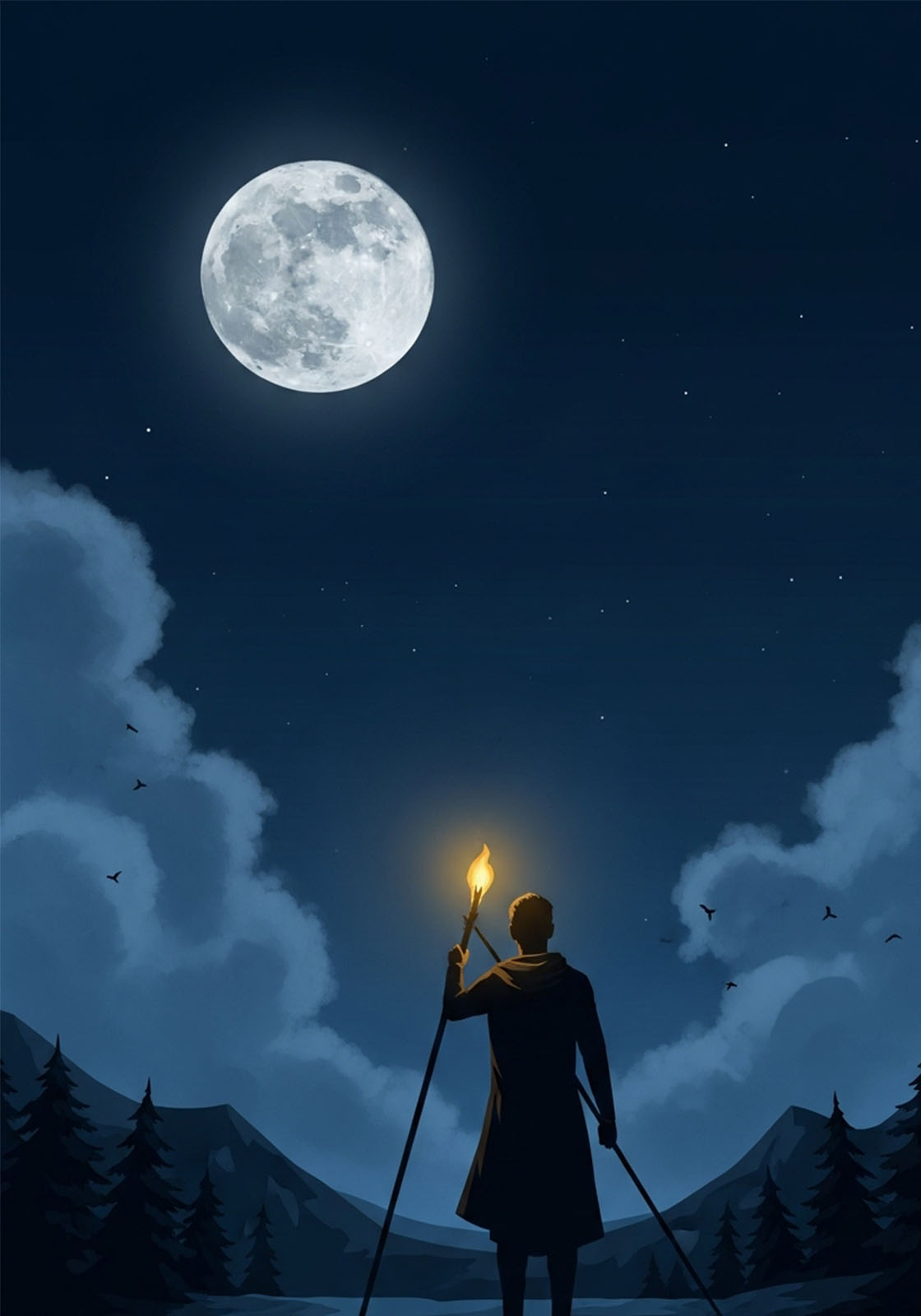
Few myths capture the fear of losing control like the werewolf. Under the full moon, the civilized man is torn open, replaced by the snarling embodiment of unchecked instinct.
For centuries, the werewolf myth has whispered the same warning — that beneath the polished skin of modern man lives an animal nature waiting for its hour. Ancient folklore often linked lycanthropy with lust; the transformation wasn’t just about blood, but about passion too intense to contain.
Psychologists have long interpreted the werewolf as a metaphor for repressed emotion — especially anger and desire. The transformation offers what daily life denies: a violent honesty, an escape from the quiet suffocation of civility. Yet, once the frenzy ends, what’s left is shame, a tattered memory of pleasure mixed with regret.
Many men still wrestle with this duality — wanting to be strong and self-controlled, yet drawn to moments that break those boundaries. The werewolf myth simply gives that conflict fangs.
The Vampire: Seduction and the Fear of Need
If the werewolf is chaos unleashed, the vampire is desire refined. Elegant, immortal, and predatory, he feeds on what he loves. The vampire is the master of restraint — until he isn’t.
In Gothic literature, the vampire became a coded symbol of forbidden passion. But beneath the romance lies a quieter terror: dependence. The vampire must consume to survive. His lust is eternal, his appetite unending. He represents the fear that passion, once awakened, never sleeps again.
For men, the vampire archetype speaks to the unease surrounding attraction and control. The line between wanting and taking becomes blurred, the thrill bound to guilt. In him, lust is power — but also imprisonment. Every bite is both conquest and confession.
Today, the vampire’s sleek form still stalks popular culture because he captures something timeless — the idea that charm and hunger can coexist, but not without cost.
The Satyr: The Laughing Instinct
Long before werewolves and vampires haunted literature, the Greeks gave us the satyr — half-man, half-goat, eternally drunk on pleasure. Unlike his darker descendants, the satyr does not wrestle with guilt. He is pure instinct, unapologetic appetite.
In a sense, the satyr represents what happens when the tension between nature and morality disappears. He is man before the burden of conscience — the embodiment of play, mischief, and desire without reflection.
But the satyr’s humor hides a truth: his freedom comes at the price of dignity. He is not a hero, but a warning. Without restraint, pleasure becomes absurd; lust becomes a joke told too many times.
Modern culture rarely admits this openly, but the satyr still lives — in the man who mistakes indulgence for liberation, or who hides discomfort with intimacy behind humor and conquest.
Archetypes at a Glance
| Archetype | Core symbol | Primary fear | Lesson for men |
|---|---|---|---|
| Werewolf | Uncontrolled instinct | Losing control / shame | Balance energy with responsibility |
| Vampire | Refined appetite | Dependence / endless craving | Desire can be charm or trap |
| Satyr | Playful indulgence | Loss of dignity | Moderation preserves self-respect |
The Beast as Mirror
These myths endure because they reveal, rather than invent, something about men. They give form to what remains unspoken — the awareness that masculinity itself is part nature, part performance.
The civilized man is taught to master his urges, to think before he acts. Yet his stories remind him that beneath the suit, the gym discipline, and the polite smile, there’s still a creature that feels, hungers, and remembers what freedom without consequence felt like.
Halloween simply makes that inner tension visible. Men can wear the mask of the beast and call it play — but it’s never just play. It’s ritual, a way to acknowledge the parts of themselves they spend the rest of the year taming.
Questions & Answers
Between Moonlight and Morning
Every myth of transformation ends with the same return: the man waking up, the sun rising, the monster retreating. The struggle never ends, because it was never meant to.
Quick Start — Managing the Beast
Tools and small steps to channel instinct constructively.
- Tools: physical training, journaling, mentorship, creative outlets.
- Do’s: name the impulse, set rituals (exercise, timeouts), speak to a trusted man.
- Don’ts: punish yourself with secrecy, resolve with alcohol, or normalize harmful acting out.
The beast within isn’t the enemy — it’s the reminder. Without it, life would lose its edge, its risk, its heat. With it, a man remembers that control is not about denial, but awareness — knowing when to howl, and when to let silence hold what cannot be tamed.
Disclaimer: The articles and information provided by Genital Size are for informational and educational purposes only. This content is not intended to be a substitute for professional medical advice, diagnosis, or treatment. Always seek the advice of your physician or another qualified health provider with any questions you may have regarding a medical condition.