


 日本語
日本語  Deutsch
  English
  Español
  Français
  Português
There is an old story told in the high, thin air of the Andes about the mountain spirits and the men who work the earth beneath them. It is said that a man’s strength is not measured by the size of his harvest, but by the depth of the furrow he can plow into the frozen ground and the health of the sons who follow in his footsteps.
To the Quechua highlanders, virility is not a vanity project; it is a survival mandate. It is the literal fuel for the continuation of a lineage in a place where the air tries to thin your blood and the cold tries to break your spirit.
Across the globe, the concept of male virility has long been the silent engine of civilization. While the modern West often attempts to sanitize or complicate the definition of what it means to be a man, the rest of the world—and history itself—remains remarkably consistent. From the wrestling pits of Punjab to the cattle-herding plains of East Africa, virility is viewed through a lens of raw utility, physical discipline, and the quiet confidence of a provider. It is the intersection of biological health, hormonal vigor, and the social responsibility to lead.
To understand how cultures view male virility, we have to step outside the air-conditioned bubbles of modern theory and look at the grit of reality.
The Biological Foundation: The Global Pursuit of Vitality
In every corner of the map, the physical manifestation of virility begins with what a man puts into his body and how he carries his frame. We often talk about "performance" in the bedroom as if it were a localized event, but traditional cultures view it as a systemic reflection of a man’s total health.
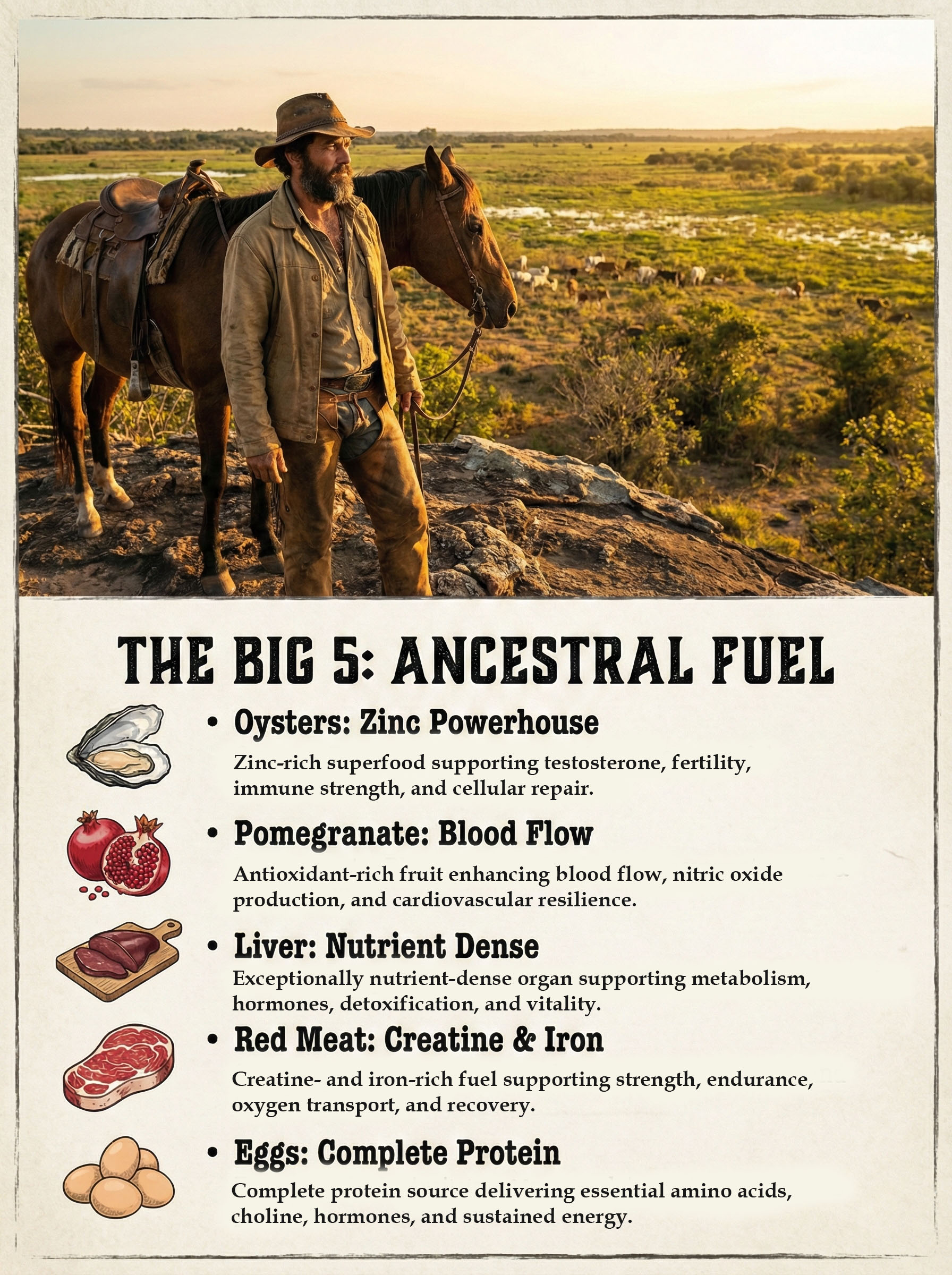
In the Levant and parts of the Mediterranean, the diet is built around fats and minerals that support hormonal health—olive oils, pomegranate, and lean proteins. It isn’t about aesthetics; it’s about maintaining the "fire." In these cultures, a man who loses his vitality is seen as a man who has lost his connection to the earth. There is a deep-seated respect for the "head of the household" whose physical presence commands the room. This isn't "toxic"; it’s foundational. It is the biological reality that a man with high testosterone and a healthy cardiovascular system is better equipped to protect his family and provide for his community.
In Traditional Chinese Medicine (TCM), virility is tied to the concept of Jing, or kidney essence. It is believed that a man is born with a certain amount of this primordial energy, and his lifestyle dictates how quickly he burns through it. Excess, stress, and poor nutrition are seen as "leaks" in a man’s bucket. To the traditional Eastern mind, a virile man is one who practices restraint and builds his internal reserves. This creates a fascinating contrast to the Western "burn the candle at both ends" mentality. Here, virility is synonymous with longevity and the ability to remain a potent force well into old age.
The Ritual of the Struggle: Initiation and Proof
In the West, we have largely done away with rites of passage. We have replaced the lion hunt with the SAT and the wilderness trek with a promotion at a desk job. However, in many cultures, virility must be proven before it is recognized.
Take the Kushti wrestlers of India. These men live in akhadas (traditional gyms), where they sleep on the floor, follow a strict vegetarian diet enriched with massive amounts of ghee and milk, and spend hours grappling in the red earth. For them, virility is a form of spiritual purity. A wrestler who is sexually undisciplined is thought to lose his "glow" and his strength. Here, the ability to father children and the ability to pin an opponent are seen as two sides of the same coin: Brahmacharya, or the control of one’s vital forces.
Similarly, among the Maasai of Kenya and Tanzania, virility was historically tied to the transition from a "boy" to a "warrior" (Moran). While the world has changed and lion hunting is largely a thing of the past, the core expectation remains: a man must be able to protect the herd and provide for the tribe. His virility is measured by his bravery, his ability to negotiate the price of cattle, and the size of the family he can support.
In these contexts, virility isn't just about what happens in the dark; it’s about how a man stands in the light. It is about the social contract. A virile man is a reliable man.
The Provider’s Burden: Virility as Utility
One of the most significant shifts in modern discourse is the attempt to decouple a man’s value from his ability to provide. While well-intentioned in some regards, it ignores the deep-seated cultural psyche of men across history. In the rugged landscapes of Eastern Europe or the rural heartlands of the Americas, a man’s virility is inextricably linked to his competence.
"A man’s virility is validated by the respect of a good woman and the growth of his children... he is the trunk of the tree."
A man who can fix what is broken, who can navigate a storm, and who brings home the resources necessary for his wife and children to flourish is, by definition, virile. This is the "Adventurous Provider" archetype. It suggests that sexual confidence doesn't come from a pill or a self-help book; it comes from the knowledge that you are a capable actor in the physical world.
When a man feels useful, his posture changes. His cortisol drops, and his testosterone rises. There is a biological feedback loop between "doing" and "being." Cultures that value craftsmanship, farming, or physical labor naturally produce a more grounded version of masculinity. In these societies, "intimate health" is rarely discussed in clinical terms because it is a natural byproduct of a life lived with purpose and physical activity.
| Culture / Region | Core Philosophy of Virility | Key Dietary & Lifestyle Focus |
|---|---|---|
| Mediterranean | Vitality and "Heart" — Physical vigor linked to social participation and longevity. | Olive oil, fresh seafood, lean proteins, and deep community cohesion. |
| South Asian (Traditional) | Conservation of Energy — The belief that discipline builds a man’s internal fire. | Ghee, raw milk, Kushti wrestling, and periodized celibacy during training. |
| East Asian (TCM) | Balance of Jing (Essence) — Preserving the root energy of the kidneys and blood. | Herbal adaptogens (Ginseng), Tai Chi, and rigorous stress management. |
| Latin American | Machismo as Responsibility — Virility defined by being the protector and lead provider. | Family-centric leadership, outward bravery, and high-protein agrarian diets. |
| Nordic / Scandi | Physical Hardiness — The ability to thrive and remain potent in hostile climates. | Cold exposure (sauna to ice), outdoor manual labor, and functional strength. |
The Shadow of Modernity: Why We Are Losing the Edge
If we look at the data from the last fifty years, sperm counts are dropping and testosterone levels are cratering across the developed world. While many blame environmental factors—and they are right—there is also a cultural component. We have traded the "Iron Harvest" for the "Silicon Slump."
In many traditional cultures, the lack of virility was seen as a tragedy or a sign of spiritual misalignment. Today, we often treat it as a clinical inconvenience. But the man who feels his vigor fading knows it is more than just a number on a lab report. It is a loss of his "edge," that inherent drive to explore, compete, and create.
The "Rugged Masculinity" of our grandfathers wasn't just about being tough; it was about being vital. They worked in the sun, they ate whole foods, and they understood their role in the family unit. There was no ambiguity. When a man knows who he is and what he is required to do, his body tends to follow suit. The modern epidemic of anxiety and performance "shyness" is often just a symptom of a man who has been told his natural instincts are unnecessary or even harmful.
The Role of Women and the Family
We cannot discuss male virility without discussing women. In every stable culture throughout history, the virility of men and the fertility of women have been celebrated as the twin pillars of the community.
A man’s virility is validated by the respect of a good woman and the growth of his children. In traditional Latin or Middle Eastern cultures, the family is the ultimate "performance" metric. A man isn't virile because he is a "player"; he is virile because he is a patriarch. He is the trunk of the tree, and the health of the branches is a testament to the strength of the wood.
This perspective shifts the focus from a self-centered pursuit of pleasure to a goal-oriented pursuit of legacy. When a man views his intimate health as a tool for building a future with his wife, the pressure of "performance" often vanishes, replaced by a sense of duty and shared joy. It turns a biological function into a sacred responsibility.
Reclaiming the Furrow: A Path Forward
So, how does the modern man, stuck in a world of blue light and sedentary roles, reclaim this global heritage of virility? It isn't about adopting a costume or acting like a caricature. It is about returning to the fundamentals that every rugged culture has known for millennia.
-
Embrace the Physical: Your body is a machine designed for output. Whether it’s lifting heavy iron, chopping wood, or training in a martial art, physical struggle is the precursor to hormonal health. You cannot think your way into virility; you must act your way into it.
-
Eat Like a Provider: Move away from the processed, estrogenic foods of the modern industrial complex. Eat the fats, the proteins, and the minerals that have sustained men from the Highlands to the Steppes.
-
Find Your "Tribe" and Your Task: Virility dies in isolation. Men need the company of other men to sharpen their competitive instincts, and they need a mission that serves their family.
-
Reject the Ambiguity: Be a man. Be a husband. Be a father. Use the terms with pride. The world needs men who are comfortable in their skin and clear in their purpose.
Common Questions on Global Virility
The Final Word
The view of male virility around the world is not a "choice" between various equal options; it is a recurring theme of strength, utility, and legacy. From the Roman concept of Virtus—which linked manliness to moral courage and physical prowess—to the modern-day rancher in Montana, the blueprint remains the same.
Virility is the quiet power of a man who knows he can handle the weight of the world. It is the health that allows him to love his wife deeply, the strength that allows him to carry his children, and the fire that keeps him moving when the world grows cold. It is our oldest inheritance. It is time we started acting like we want to keep it.
The Virility Protocol: Quick-Start
- Heavy Resistance Training
- Whole-Food Nutrition
- Restorative Sleep
- Do: Engage in physical labor.
- Do: Lead with conviction.
- Don't: Neglect mineral intake.
- Don't: Succumb to a sedentary life.
Disclaimer: The articles and information provided by Genital Size are for informational and educational purposes only. This content is not intended to be a substitute for professional medical advice, diagnosis, or treatment. Always seek the advice of your physician or another qualified health provider with any questions you may have regarding a medical condition.