


 日本語
日本語  Deutsch
  English
  Español
  Français
  Português
There is an old, lingering silence in the modern world regarding what it actually means to become a man. In our current era of digital convenience and sanitized experiences, "manhood" is often treated as a fluid concept, something one simply drifts into by reaching a certain age or acquiring a specific set of consumer goods.
But if you look back—past the noise of the present and into the rugged history of the civilizations that built the world—you find a much harsher, more honest reality.
For the ancients, manhood was not a default setting. It was a status earned through trial, often centered on the very parts of the anatomy that define the male experience. To understand the myths and rites of our ancestors is to understand that the male body, specifically the genitals, has always been the frontline of identity, sacrifice, and social standing.
In Brief
- Ancient cultures viewed the phallus as a symbol of cosmic order and state protection, not just biology.
- Rites of passage served to separate the "boy" from the "man" through physical and mental fortitude.
- The modern world has traded meaningful rites for aesthetic vanity, leading to a crisis of masculine identity.
- Reclaiming manhood requires embracing discipline, accountability, and the "hard path."
The Weight of the Phallus: More Than Just Flesh
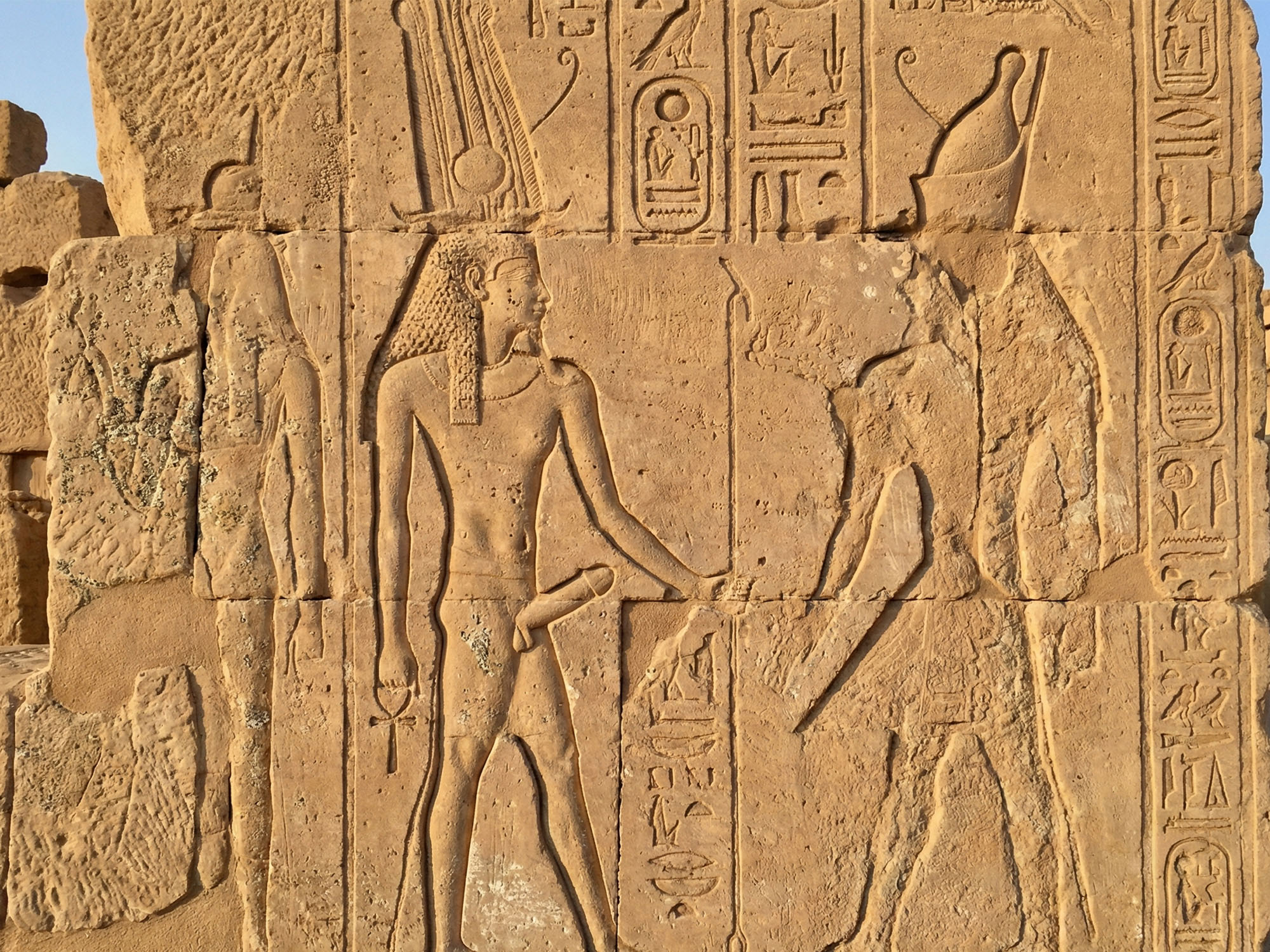
In the ruins of Pompeii or the temples of ancient Egypt, you don’t have to look far to find the phallus. It is everywhere—carved into stone, worn as amulets, and painted on walls. To the modern eye, this can seem like primitive obsession or mere vulgarity. However, to the Roman or the Egyptian, the male organ was not just a tool for pleasure or procreation; it was a symbol of Virtus (virtue/strength) and cosmic order.
The myth of Osiris is perhaps the most foundational example. When the god Osiris was murdered and dismembered by his brother Set, his wife Isis traveled the world to recover his pieces. She found every part except one: his phallus, which had been eaten by a fish in the Nile. To restore him and ensure the fertility of the land, she fashioned a replacement out of gold.
This isn't just a quirky myth. It highlights a fundamental ancient belief: a man’s potency was directly linked to the health and survival of his community. If the King was potent, the crops grew. If the men were strong, the borders were safe. The "gold" replacement represents the transition of the physical into the symbolic—the idea that a man’s legacy and his strength are inseparable from his biological reality.
The Roman Fascination with Protection
In Rome, the fascinus—a phallic charm—was worn by boys to ward off the "evil eye." It wasn't about being graphic; it was about the belief that the male essence was a source of protective power. Before a boy reached the age of maturity and donned his toga virilis, he was considered vulnerable. The transition into manhood was a move from being protected to being the protector. This shift was marked by rituals that were often grueling, reminding the young man that his body no longer belonged solely to him, but to the State and his lineage.
Did You Know?
The term "fascinate" actually derives from the Roman fascinus. To fascinate someone originally meant to cast a spell or exert power over them, often linked to the protective and potent energy the Romans attributed to phallic symbols.
The Rite of the Blade: Circumcision and Sacrifice
When we discuss the "myths" of manhood, we cannot ignore the physical marks left on the body. Many modern men view circumcision as a routine medical procedure or a religious tradition. But in its origins across the Levant and Africa, it was a brutal, defining rite of passage.
In many ancient tribal societies, the transition from "boy" to "man" required a literal shedding of the skin. This wasn't done in a sterile hospital with anesthesia. It was done in the dirt, under the sun, often with a sharpened stone or a blade. The requirement? Silence. To cry out was to fail. To flinch was to remain a child in the eyes of the tribe.
"The pain was the point. It was the physical manifestation of leaving the comfort of the mother's world and entering the harsh, disciplined world of men."
This rite served two purposes:
- Covenant: It marked the man as a member of a specific group.
- Fortitude: It proved that the man could master his impulses and his pain for a higher purpose.
While the modern world shies away from the idea of "suffering as growth," these ancient cultures understood that a man who has not faced a trial is a man who cannot be trusted when the real storms of life arrive. The myth here is that the body is a temple; the reality is that the body is a workshop where character is forged through friction.
The Spartan Crucible and the Myth of Perfection
We often hear of the Spartan Agoge, the brutal training system for young boys. What is less discussed is how the Spartans viewed the male form and sexual development. To the Greeks, the "ideal" man was one of extreme self-control.
Interestingly, the Greek myth of the "perfect" male organ was the opposite of modern pornographic expectations. In Greek art, heroes and gods are depicted with small, retracted genitals. To the Greeks, a large organ was a sign of the "barbarian" or the "satyr"—someone who was a slave to his lusts and lacked the discipline of a citizen-soldier.
This creates a fascinating contrast with today’s insecurities. Ancient men were taught that true masculinity resided in the mind and the will. The body was simply the engine. A man who couldn't control his urges was seen as weak, regardless of his physical stature. This "myth of the small" served a social function: it prioritized the collective over individual ego. It told the young Spartan that his value was found in his shield-arm and his endurance, not in his vanity.
"Manhood is not a default setting. It is a status earned through trial, often centered on the very parts of the anatomy that define the male experience."
— Theo Navarro
The Ordeal of the "Bullet Ant" and Modern Echoes
Even outside the Mediterranean, the theme of genital endurance remains. In certain Amazonian tribes, such as the Satere-Mawe, the rite of passage involves the "bullet ant" glove. While not directly focused on the genitals, the pain is so systemic that it affects every part of the male biology. The young man must endure the stings—described as being shot by a gun—multiple times over several years.
Why do these rituals persist? Because they dispel the myth that manhood is something you are born with. These cultures recognize that "male" is a biological fact, but "man" is a social earned rank.
In the West, we have largely abandoned these rites. We have replaced the blade and the forest with the college degree and the first paycheck. But the psychological need for a "test" remains. This is why we see men flocking to "ultra-marathons," "combat sports," or grueling "boot camps." We are subconsciously searching for the rite of passage our ancestors codified. We are looking for a way to prove that we are more than just consumers; we are capable of enduring.
Table: Symbols of Masculine Potency Across Cultures
| Culture | Symbol/Object | Primary Meaning |
|---|---|---|
| Ancient Egypt | The Min Idol | Fertility, harvest, and virility. |
| Norse | Freyr’s Blade | The marriage of combat and procreation. |
| Hinduism | Shiva Lingam | Cosmic energy and the generative power of the universe. |
The False Myths of the Modern Age
Today, the myths have changed, and not necessarily for the better. Instead of myths about gods and virtue, we have myths about "optimization" and "perfection."
- The Myth of Constant Performance: Ancient men understood seasons of life. Modern men are told they must be at peak performance 24/7, fueled by a supplement industry that promises the vitality of a 20-year-old well into their 60s.
- The Myth of Aesthetic Superiority: We have moved away from the Greek ideal of self-control and toward a hyper-fixation on size and "visual impact," driven by the ubiquity of digital images. This has led to a rise in body dysmorphia and a loss of the "rugged" confidence that comes from functional strength rather than visual vanity.
The ancients didn't care if their bodies looked like statues for the sake of a "selfie." They wanted their bodies to function like machines for the sake of survival. There is a profound honesty in that perspective that we would do well to reclaim.
Reclaiming the Masculine Spirit
So, where does this leave the modern man? We aren't going to bring back stone-tool surgery or Spartan barracks, nor should we. But we can take the core lessons of these ancient rites and apply them to our lives.
Real manhood is built on accountability. It is the understanding that our bodies, our health, and our genital well-being are our own responsibility. It is the rejection of the "victim" mindset. The ancients knew that the world was indifferent to their feelings; they had to carve their place into it.
Practical Lessons from the Ancients:
- Embrace the Hard Path: Seek out challenges that require physical and mental endurance. Whether it’s lifting heavy weights, mastering a craft, or navigating a difficult career path, the "ordeal" is what builds the man.
- Respect the Biology: Stop viewing your health through the lens of political trends. Men and women are biologically distinct, and the male body has specific needs—testosterone, physical exertion, and a sense of purpose.
- Value Discipline over Desire: Like the Greeks, strive for the mastery of the self. A man who can control his impulses is a man who can lead a family and a community.
A Summary of Ancient vs. Modern Perspectives
| Aspect | Ancient View | Modern Myth |
|---|---|---|
| Manhood | Earned through trial, physical grit, and public sacrifice. | A biological default, a feeling, or a social construct. |
| Genital Health | A symbol of community strength, protection, and lineage. | A private concern or a source of cosmetic insecurity. |
| Pain & Rites | A necessary teacher and a definitive mark of transition. | Something to be avoided, medicated, or pathologized. |
| Body Image | Functional and disciplined; the body as a tool (The Soldier). | Aesthetic and "optimized"; the body as a display (The Influencer). |
Manhood & Myth: Common Questions
Moving On
The history of our genitals and the rites associated with them isn't just a collection of "weird facts." It’s a map of how we got here. It’s a reminder that being a man is a high calling that requires more than just showing up. It requires a willingness to be "cut" by life—to lose the softness of childhood and gain the scars of experience.
We don't need to live in the past, but we should stop pretending the past has nothing to teach us. The rugged honesty of the ancient world tells us that manhood is a burden, a privilege, and a craft. It’s time we started treating it that way again.
The myths of old were never really about the gods. They were about us. They were stories told to remind young men that they were part of something larger—a chain of fathers and sons stretching back to the beginning of time. Your body is the current link in that chain. Make sure it’s a strong one.
Quick-Start: Reclaiming the Ordeal
How to apply ancient principles to modern life without the stone blades:
- The 90-Day Discipline: Commit to one physical habit (lifting, rucking, or cold plunges) with zero missed days.
- Digital Fast: Remove the "voyeuristic" myths of the modern web for 30 days to reset your dopamine and body image.
- Mentorship: Find a man 20 years your senior to learn from. Manhood is taught, not caught.
Don't: Look for shortcuts. The value is in the resistance.
Disclaimer: The articles and information provided by Genital Size are for informational and educational purposes only. This content is not intended to be a substitute for professional medical advice, diagnosis, or treatment. Always seek the advice of your physician or another qualified health provider with any questions you may have regarding a medical condition.