



 日本語
日本語  Deutsch
  English
  Español
  Français
  Português
To train like the ancients is to reject the soft convenience of modern fitness. We are not interested in the "pump" or the mirror; we are interested in the capacity to move weight, endure hardship, and remain standing when others have sat down.
This four-week protocol is built on the three pillars of ancient physical preparation: The Load, The Lever, and The Lung. It is designed for the man who has a career to manage, a family to lead, and a home to protect, but who refuses to let his physical state wither.
The Principles of the Protocol
Before you pick up the iron, you must understand the "why" behind the "how." This program utilizes progressive overload and high-density conditioning to mimic the demands of a campaign or a harvest.
-
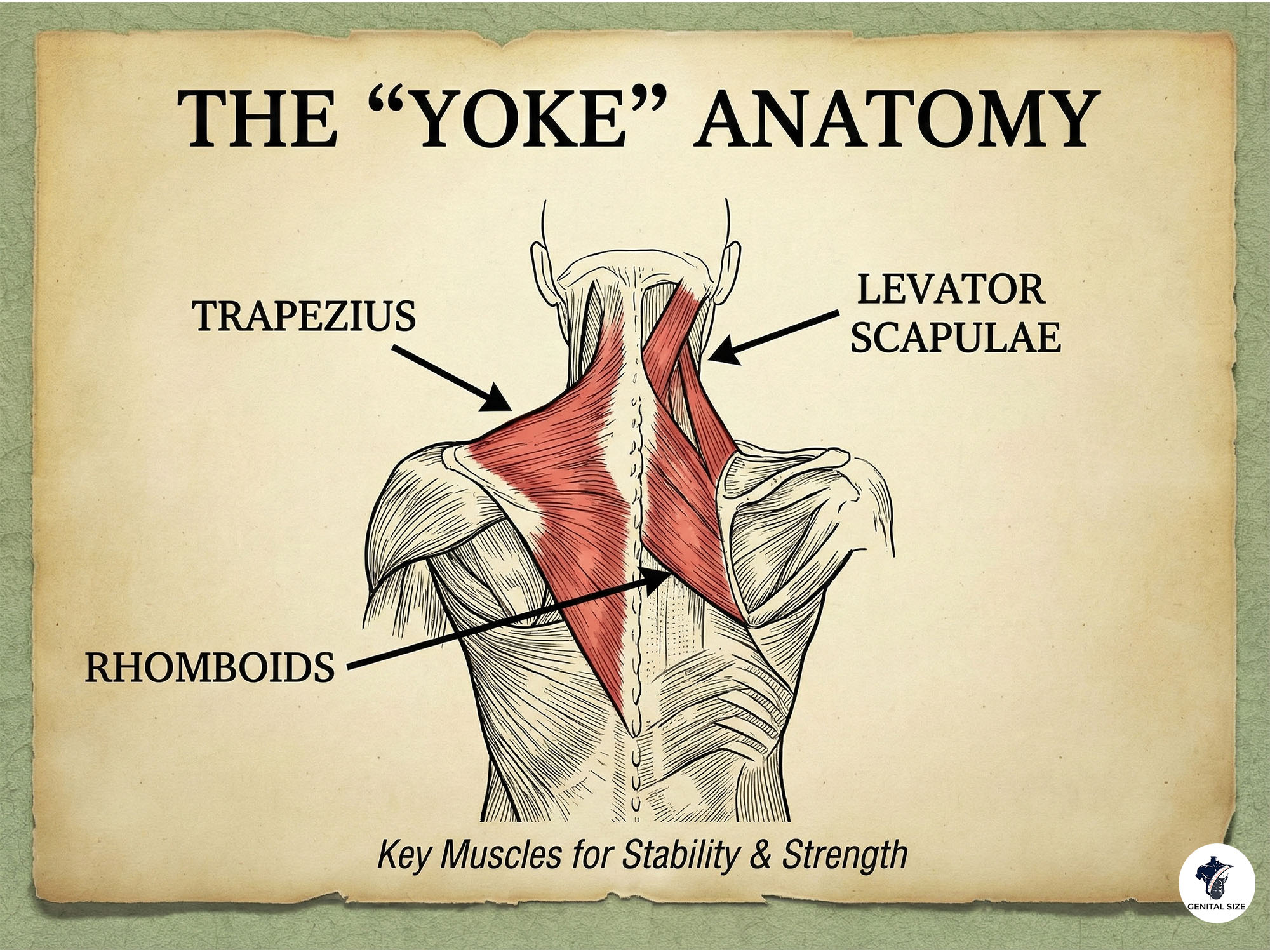
The Load (Carries): Every workout includes a carry. This builds the "yoke"—the traps, upper back, and grip—that signals a man’s capability to handle a burden.
-
The Lever (Compound Lifts): We focus on movements that use the body as a single machine: the deadlift, the squat, and the press.
-
The Lung (Rucking/Sprints): Stamina is built through "steady-state" load-bearing (rucking) and explosive recovery (hill sprints).
The Weekly Schedule
The program follows a 4-day-on, 3-day-off structure, allowing the body to recover and the man to fulfill his roles outside the gym.
-
Monday: Strength (The Shield-Wall Day)
-
Tuesday: Functional Stamina (The March)
-
Wednesday: Recovery (Active Labor)
-
Thursday: Explosive Power (The Breach Day)
-
Friday: Capacity & Grit (The Long Haul)
-
Saturday/Sunday: Rest & Family/Provider Duties
The 4-Week Progression
Week 1: Foundation and Form
The goal here is to establish your baselines. Do not ego-lift. Focus on the tension in your core and the stability of your joints.
Warrior Protocol: Do's & Don'ts
- Maintain a neutral spine during carries.
- Hydrate with electrolytes on Ruck days.
- Log every pound moved in a notebook.
- Sacrifice form for more weight.
- Skip the recovery walks on Day 5.
- Use lifting straps (build that grip strength).
Week 2: Increasing the Burden
Add 5–10 lbs to your primary lifts and increase your rucking weight by 5 lbs. This week is about adapting to the discomfort of added resistance.
Week 3: The Peak
This is the most intense week. We reduce the reps but increase the weight to near-maximal effort. You are testing your ability to recruit every muscle fiber.
Week 4: The Deload and Consolidation
We reduce the volume (sets) by 40% but keep the weight moderately heavy. This allows the central nervous system to recover so you emerge stronger for the next cycle.
The Workout Layout
Day 1: The Shield-Wall (Strength)
Focus: Structural integrity and pushing power.
Strength is the only currency that doesn't depreciate in a crisis. When you train the load, you aren't just building muscle; you are preparing for the moment your family needs you most.
”Day 2: The March (Functional Stamina)
Focus: Aerobic capacity under load.
-
Rucking: 45 Minutes.
-
Load: 20% of your body weight.
-
Terrain: Find hills or uneven trails if possible. Maintain a pace of 15–17 minutes per mile.
Day 3: The Breach (Explosive Power)
Focus: Moving weight quickly and maintaining "combat" readiness.
Day 4: The Long Haul (Capacity & Grit)
Focus: High-volume movement to build a "refusal to quit."
-
1-Mile Ruck (25–35 lbs)
-
Every 1/4 Mile, perform:
-
20 Goblet Squats
-
20 Push-ups
-
20 Lunges (per leg)
-
-
Finish with: 2 Minutes of hanging from a pull-up bar (accumulated time) to test grip stamina.
The Warrior’s Restoration: Managing the Toll of the Campaign
Training with the intensity of a Spartan or the volume of a Roman legionnaire places a massive demand on the central nervous system and the soft tissues. Ancient warriors were masters of "active recovery"—they didn't simply collapse into a chair after a day of labor. They utilized thermal therapy (baths), massage (strigils), and specific movements to ensure they were ready for the next dawn.
For the modern provider, recovery is a discipline. If you are too stiff to play with your children or too exhausted to lead your household, you have failed the mission. Use the following restoration protocol to stay in the fight.
Recovery & Tissue Integration
Nutrition for the Provider
A man cannot build a fortress with poor materials. To support this training, your nutrition must be as rugged as your workouts.
-
Protein: Aim for 1 gram of protein per pound of body weight. Focus on red meat, eggs, and wild-caught fish. These provide the zinc and B-vitamins necessary for hormonal health.
-
Fats: Use animal fats and olive oil. Avoid processed seed oils that contribute to inflammation.
-
Carbohydrates: Focus on "earth-grown" fuels: potatoes, white rice, and seasonal fruit. Use these primarily around your training windows to fuel the "Breach" and "Shield-Wall" days.
A Note on Mental Discipline: Ancient training was never just about the body. It was a form of meditation. When you are rucking at minute 40 and your shoulders are screaming, do not look at your watch. Look at the horizon. This is where the mental toughness of a provider is forged.
Supplementation for the High-Performance Man
While the ancients relied on whole foods, the modern environment often depletes us of essential minerals. To maintain the "Iron Legacy," men should consider the following to support testosterone and recovery:
-
Magnesium Biglycinate: Vital for muscle relaxation and deep sleep—the only time your body truly repairs.
-
Vitamin D3 + K2: Essential for bone density and hormonal signaling, especially for men who spend most of their day indoors.
-
Creatine Monohydrate: One of the most researched supplements in history for building explosive power and even supporting cognitive focus under stress.
-
Zinc: A cornerstone of male reproductive health and immune function, often lost through intense sweating.
Monitoring Progress
To track your advancement, use the simple formula for Training Volume (V):
Where:
-
S = Sets
-
R = Repetitions
-
W = Weight
Your goal is to see V increase steadily over the first three weeks. If your volume decreases but your weight (W) increases significantly, you are successfully transitioning into a higher tier of absolute strength.
Conclusion
This protocol is not a "quick fix." It is a return to the standard of physical capability that our forefathers took for granted. By the end of these four weeks, you will find that the groceries feel lighter, the stairs are shorter, and your presence in a room is more grounded. You are building a body that is useful to your family and formidable to your enemies.
Disclaimer: The articles and information provided by Genital Size are for informational and educational purposes only. This content is not intended to be a substitute for professional medical advice, diagnosis, or treatment. Always seek the advice of your physician or another qualified health provider with any questions you may have regarding a medical condition.