



 日本語
日本語  Deutsch
  English
  Español
  Français
  Português
There is a specific kind of silence that settles into a man’s life somewhere between his thirty-fifth and forty-fifth year. It isn’t the silence of peace, but rather the quiet realization that the machinery is changing. The recovery after a weekend of heavy lifting takes three days instead of one. The midsection, once lean and responsive to a few weeks of disciplined eating, begins to hold onto weight with a stubborn, new tenacity.
For most of human history, this was simply accepted as the "fading" of a man. But modern gerontology—the study of aging—has peeled back the lid on the male biological clock. What they have found is not a death sentence, but a blueprint. Aging is not a cliff; it is a slow-moving terrain that can be navigated with precision, provided you understand the mechanics of what is happening under the hood.
To maintain vitality into the sixth, seventh, and eighth decades, a man must stop viewing his body as a self-sustaining engine and start viewing it as a high-performance vehicle that requires specialized maintenance. Here is the reality of the male aging process, stripped of the fluff and grounded in the hard science of performance.
The Hormonal Bedrock: Testosterone and Beyond
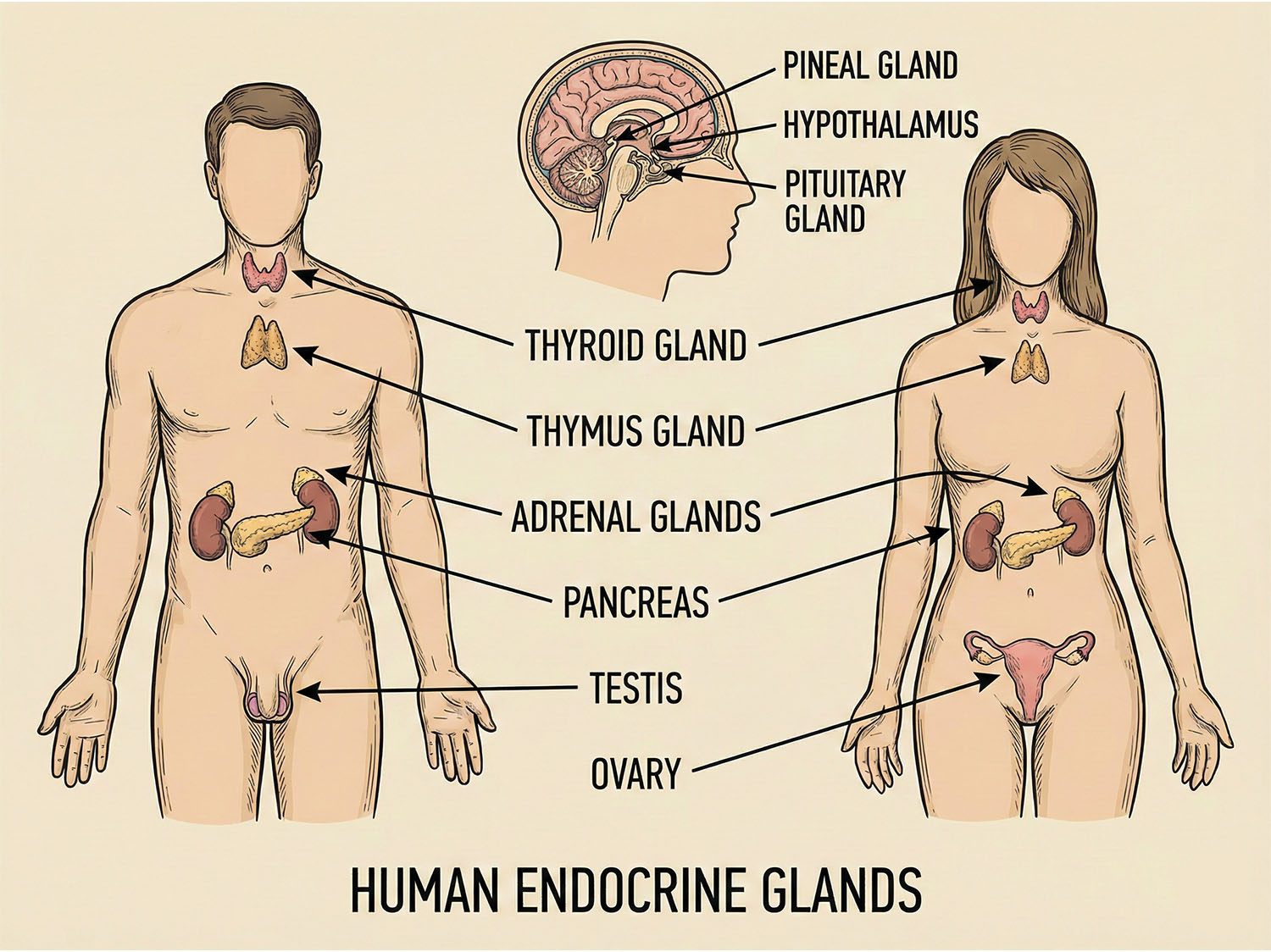
When we talk about male aging, the conversation usually begins and ends with testosterone. While it isn’t the only factor, it is undeniably the primary driver of the masculine phenotype. Around the age of 30, a man’s testosterone levels begin a slow, rhythmic decline—roughly 1% per year.
However, gerontologists now distinguish between "chronological aging" (the years on your ID) and "biological aging" (how well your cells function). The "Low-T" epidemic seen in the modern West is often less about the passage of time and more about the environment. Sedentary lifestyles, poor sleep, and carry-over body fat create a feedback loop that accelerates this decline.
The Cortisol Conflict
As testosterone dips, cortisol—the stress hormone—often rises. In a younger man, the body bounces back from stress quickly. In an aging man, chronically high cortisol acts like an acid on muscle tissue and a magnet for visceral fat (the dangerous kind that wraps around your organs).
The goal of the modern man isn’t just to "boost T" through supplements; it is to manage the endocrine environment. This means prioritizing deep sleep—where the vast majority of growth hormone and testosterone production occurs—and engaging in heavy compound movements that signal the brain to keep the factory running.
Sarcopenia: The War on Muscle Loss
The most visible marker of aging is the loss of muscle mass, known scientifically as sarcopenia. Starting in his 40s, a man can lose 3% to 5% of his muscle mass per decade if he is inactive. This isn't just about aesthetics or how you look in a t-shirt; muscle is a metabolic organ. It is the primary site for glucose disposal. When you lose muscle, you lose your "metabolic sink," making you more susceptible to insulin resistance and Type 2 diabetes.
"Strength is the ultimate currency of longevity. A man who can deadlift his body weight in his 60s has a vastly different biological profile than one who cannot."
Gerontologists emphasize that for men, strength is the ultimate currency of longevity. A man who can deadlift his body weight in his 60s has a vastly different biological profile than one who cannot.
The Protein Pivot
The aging body becomes less efficient at "Muscle Protein Synthesis" (MPS). A 25-year-old can trigger muscle growth with 20 grams of protein; a 60-year-old might need 40 grams of high-quality leucine-rich protein to get the same signal. To fight the iron harvest of time, the aging man must increase his protein intake and double down on resistance training. Cardio is for your heart, but weightlifting is for your life.
The Engine Room: Cardiovascular and Metabolic Health
If the muscles are the chassis, the heart and vascular system are the engine. Men are statistically more likely than women to suffer from early-onset cardiovascular disease. This is often due to the hardening of the arteries and the accumulation of arterial plaque.
Gerontology has shifted its focus toward ApoB (Apolipoprotein B) as a better predictor of heart health than simple "bad" cholesterol. For the aging man, keeping the pipes clear is a matter of managing blood pressure and inflammation. High blood sugar is one of the primary drivers of this inflammation. Every time your blood sugar spikes, it causes micro-damage to the lining of your blood vessels. Over decades, this damage adds up to a heart attack.
Metabolic Flexibility
The hallmark of a youthful metabolism is the ability to switch between burning carbohydrates and burning fat. As men age, they often become "metabolically brittle," relying almost exclusively on glucose. This leads to energy crashes and "brain fog." Incorporating periods of time-restricted feeding (intermittent fasting) and Zone 2 aerobic exercise (brisk walking or light jogging where you can still hold a conversation) trains the mitochondria to burn fat efficiently again.
The Cognitive Frontier: Protecting the Mind
A man’s identity is often tied to his competence—his ability to solve problems, lead his family, and execute tasks. The fear of cognitive decline is, for many, more profound than the fear of physical frailty.
The brain, like the heart, is a vascular organ. What is good for the heart is almost always good for the brain. However, gerontologists also point to the importance of BDNF (Brain-Derived Neurotrophic Factor), which acts like "Miracle-Gro" for neurons.
Physical exercise is the most potent way to increase BDNF. Furthermore, the "use it or lose it" principle applies here. Men who retire and stop engaging in complex, demanding tasks often see a rapid decline in cognitive sharpness. The key to staying sharp isn't crossword puzzles; it’s learning new, difficult skills—like a language, a craft, or a complex sport—that force the brain to forge new neural pathways.
The Sexual Reality: Performance and Health
We cannot talk about the male aging process without addressing sexual health. For many men, erectile dysfunction (ED) is the first "canary in the coal mine." Because the arteries in the penis are significantly smaller than the arteries leading to the heart, issues with blood flow often show up there first.
Gerontologists view ED not just as a lifestyle issue, but as a cardiovascular warning light. Fixing it involves the same pillars mentioned above: weight management, blood pressure control, and smoking cessation. Additionally, the psychological component of male aging cannot be ignored. Performance anxiety can compound biological shifts. Maintaining a healthy, active sex life into older age is linked to higher testosterone levels and better overall mental health, creating a positive feedback loop.
The Architecture of a Long Life: A Protocol
If you were to sit down with a panel of the world's leading gerontologists, their advice for the man looking to maximize his middle and late years would likely boil down to these four pillars:
1. Resistance Training is Non-Negotiable
Lift heavy things two to four times a week. Focus on the "Big Three": squats, deadlifts, and presses. These movements recruit the most muscle fibers and trigger the greatest hormonal response.
2. Radical Nutritional Honesty
The days of "eating whatever you want" are over by age 30. Prioritize protein (1 gram per pound of goal body weight) and eliminate processed sugars. Treat alcohol as a rare luxury, not a nightly habit, as it wreaks havoc on sleep quality and testosterone.
3. Aggressive Screening
Do not wait for symptoms. Get regular blood work that tracks ApoB, fasted insulin, free and total testosterone, and inflammatory markers like hs-CRP. Knowledge is the only way to intervene before a problem becomes a crisis.
4. Purpose and Community
Men often suffer from "social atrophy" as they age. Isolation is a physiological stressor. Maintaining a brotherhood—whether through work, a hobby, or a local community—lowers cortisol and provides the "why" behind the effort of staying healthy.
The Stoic Perspective on Aging
There is a dignity in aging that the modern world often tries to erase with plastic surgery and "anti-aging" gimmicks. The goal of the masculine aging process shouldn't be to look like a twenty-year-old; it should be to be the most capable, formidable version of a sixty-year-old possible.
There is a rugged beauty in the weathered face of a man who has stayed in the fight. By understanding the science of gerontology, we don't cheat death, but we do ensure that we live with vitality until the very end. We ensure that our "healthspan"—the years we spend in good health—matches our "lifespan."
The iron harvest is coming for every man. The question is whether you will be the wheat or the scythe. By taking command of your biology today, you choose the latter.
| Factor | Typical Age-Related Change | The Proactive Response |
|---|---|---|
| Testosterone | Natural decrease of approximately 1% per year after age 30. | Prioritize 7-8 hours of deep sleep, heavy compound lifting, and micronutrient optimization (Zinc/Magnesium/Vitamin D). |
| Muscle Mass | Sarcopenia: A loss of 3% to 5% of lean mass per decade without intervention. | Aggressive resistance training and increased protein intake (minimum 1.2g to 1.6g per kg of body weight). |
| Metabolism | Increased insulin resistance and a shift toward visceral fat storage. | Incorporate Zone 2 aerobic training and periodic time-restricted feeding to maintain metabolic flexibility. |
| Bone Density | Gradual thinning of bone mineral density, increasing the risk of fractures. | Weight-bearing exercises (squats, carries) and supplementation with Vitamin D3 and K2. |
| Cognition | Reduced neuroplasticity and slower cognitive processing speeds. | Learning complex new physical or mental skills to stimulate BDNF (Brain-Derived Neurotrophic Factor). |
Aging & Vitality FAQs
Disclaimer: The articles and information provided by Genital Size are for informational and educational purposes only. This content is not intended to be a substitute for professional medical advice, diagnosis, or treatment. Always seek the advice of your physician or another qualified health provider with any questions you may have regarding a medical condition.